Theth National Park visitor guide logo
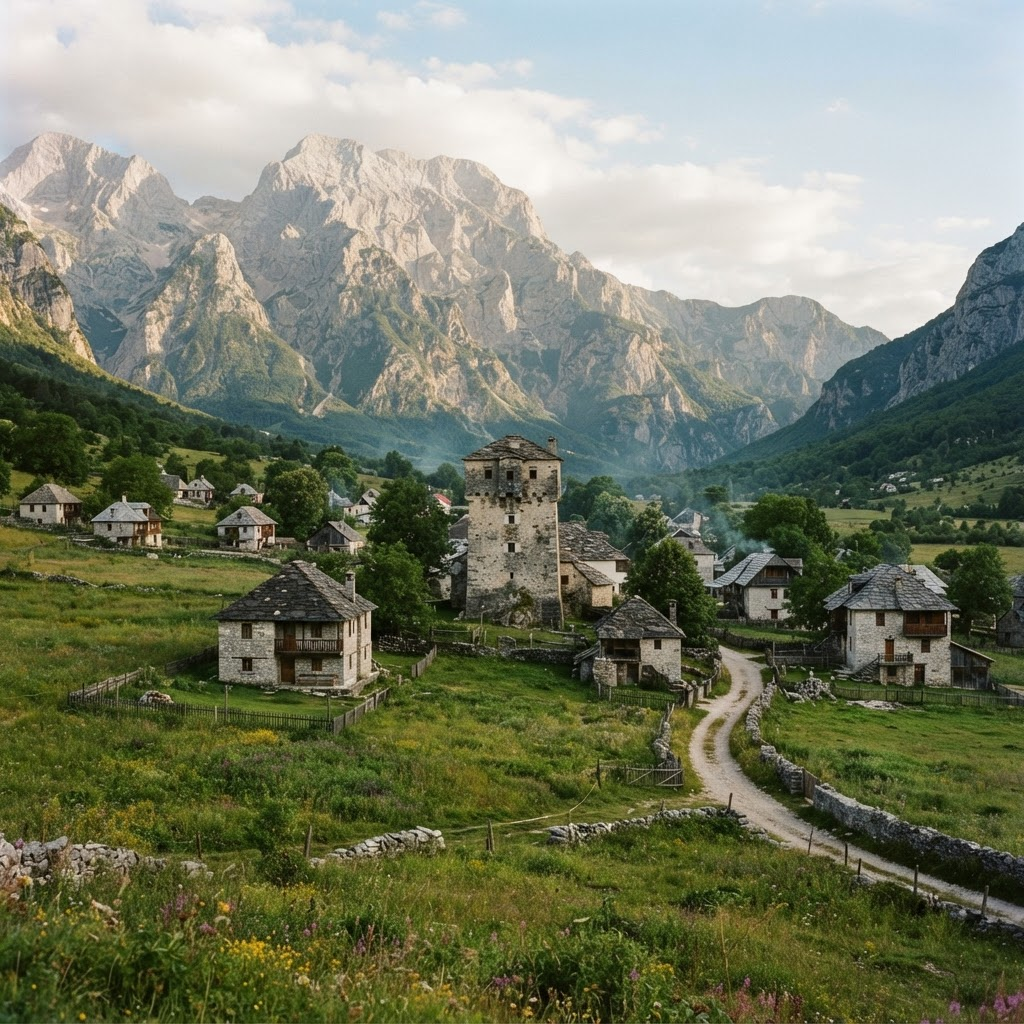
Theth village and mountains in summer
Back to the homepage

Place guide

When to Visit Theth National Park

Theth is a four-season mountain destination, but trail conditions, transport, hut availability and daylight change dramatically through the year. Use this guide to match your trip with the kind of adventure you want.

Best overallJune or September
Peak seasonJuly–August
WinterFor experienced hikers

Choose your season, then choose your trail

Know before you go

01

The short answer

June and September are the sweet spots for most visitors. You usually get long hiking days, green valleys, open guesthouses and a little more breathing room on popular trails. July and August bring the warmest, most reliable hiking window, but also the busiest paths, fullest accommodation and strongest midday heat. Winter is beautiful and serious: snow can close roads and bury waymarks, while many services operate on a reduced schedule.

02

June and September: shoulder-season gold

For a hut-to-hut itinerary, these months often hit the balance. June brings waterfalls, wildflowers and a full valley waking up after winter; higher passes may still hold snow early in the month. September brings crisp mornings, stable walking weather and softer light for photography. Start early for a clean weather window over Valbona Pass, and keep a fleece and rain shell in your pack because alpine weather can turn on a dime.

03

July and August: classic high summer

This is the dependable window for long ridge walks, the Theth–Valbona crossing and a packed itinerary of waterfalls, viewpoints and village loops. Book guesthouses ahead, expect more company on the main trails and plan your big ascent before the heat builds. A 6 a.m. trailhead is not overkill here—it is good mountaincraft. Carry more water than you think you need, protect your shoulders from the sun and leave room in your schedule for a weather day.

04

October to May: quiet, wild and conditional

Autumn can be superb for solitude and colour, but daylight shortens and mountain services begin to close. From late autumn through spring, snow, ice and avalanche terrain change the risk profile completely. Road access can be disrupted, the Valbona Pass is a mountaineering objective rather than a casual hike, and navigation becomes more demanding. Go only with the right experience, current local information, winter equipment and a conservative turnaround plan.

05

Plan around conditions, not the calendar

A good month can still deliver a bad mountain day. Check the forecast at valley and pass level, ask hosts about recent trail conditions, confirm road and ferry connections, and keep offline maps available. For any serious route, carry layers, waterproofs, water, food, a charged phone and a headlamp. If clouds build over the ridgeline or thunder rolls across the peaks, turn around early—the mountains will still be there tomorrow.

Worth making time for

June and September for balance

July and August for reliable high-summer hiking

Winter only with serious preparation

Mountain weather, trail access, boat schedules, and guesthouse services can change quickly. Confirm important details directly and ask locally before setting out.