Culture walk
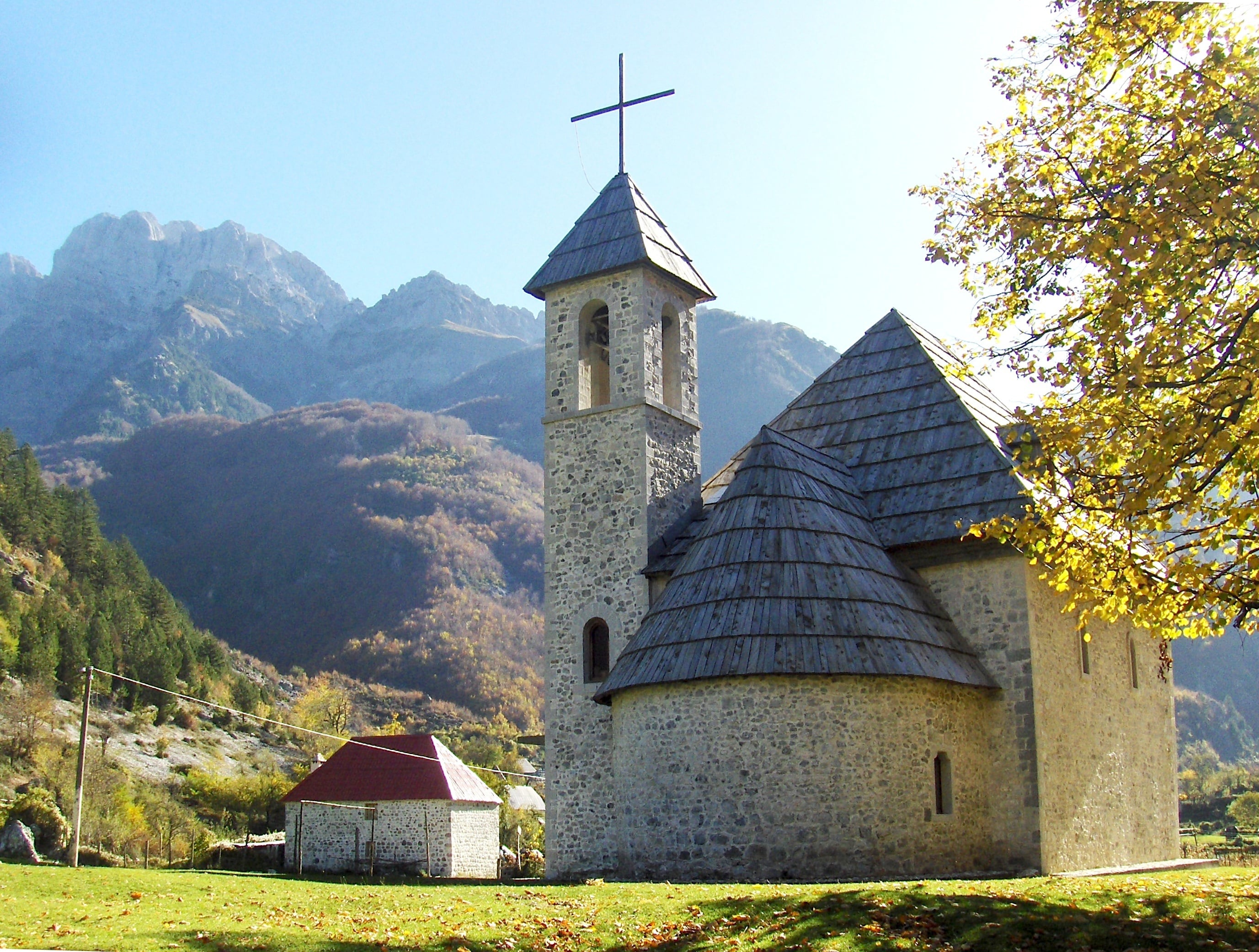
Theth village & church
A scattered stone settlement beneath steep limestone walls. Its church, pitched roofs and guesthouses offer an accessible introduction to the valley’s alpine character.
Open guide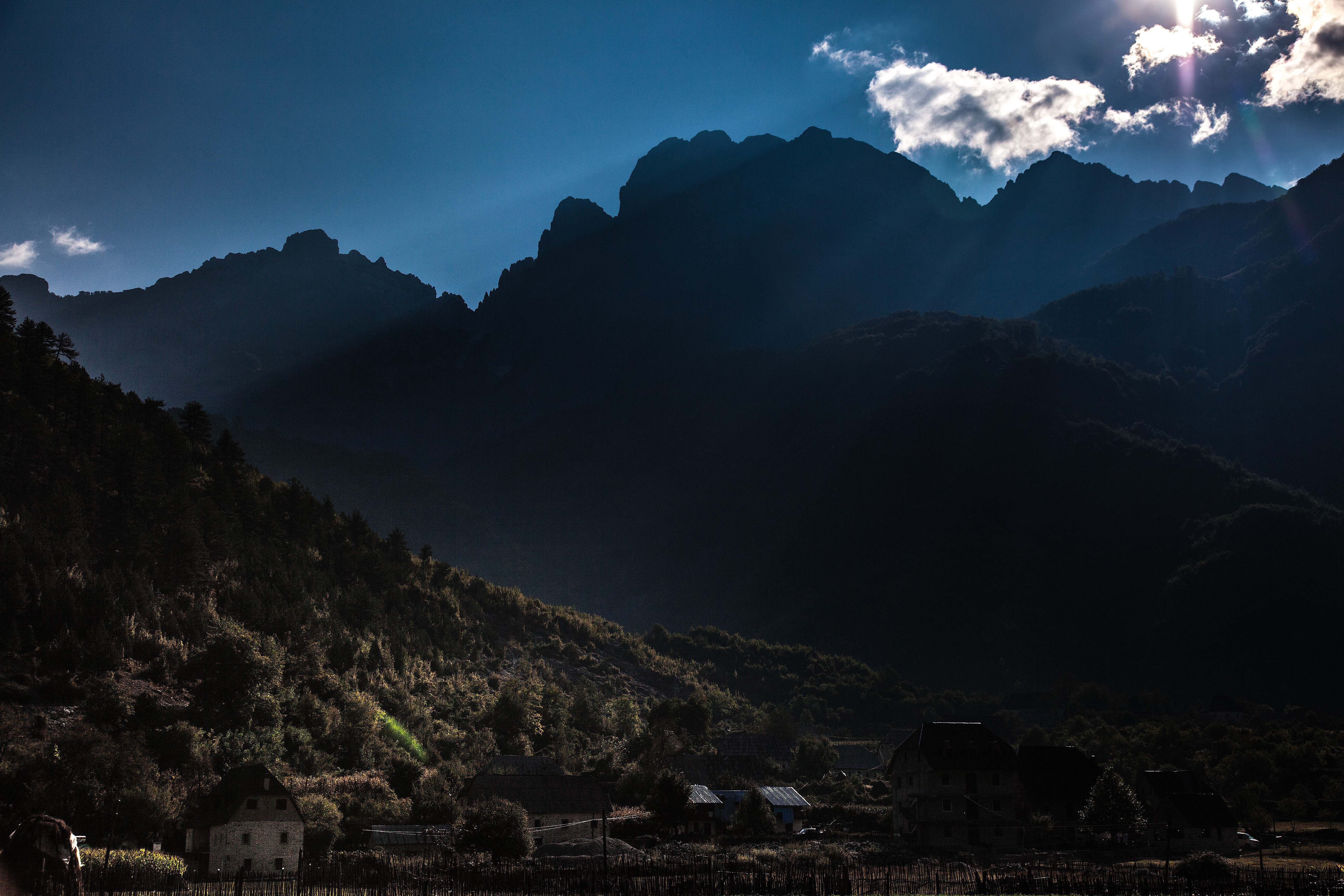
Explore Theth
Theth brings stone-built village life, cold mountain water and serious alpine terrain into one compact valley. These are the places and experiences that reveal its character.
01
Begin with the valley’s defining landmarks, then leave room for quieter corners.
Culture walk
A scattered stone settlement beneath steep limestone walls. Its church, pitched roofs and guesthouses offer an accessible introduction to the valley’s alpine character.
Open guide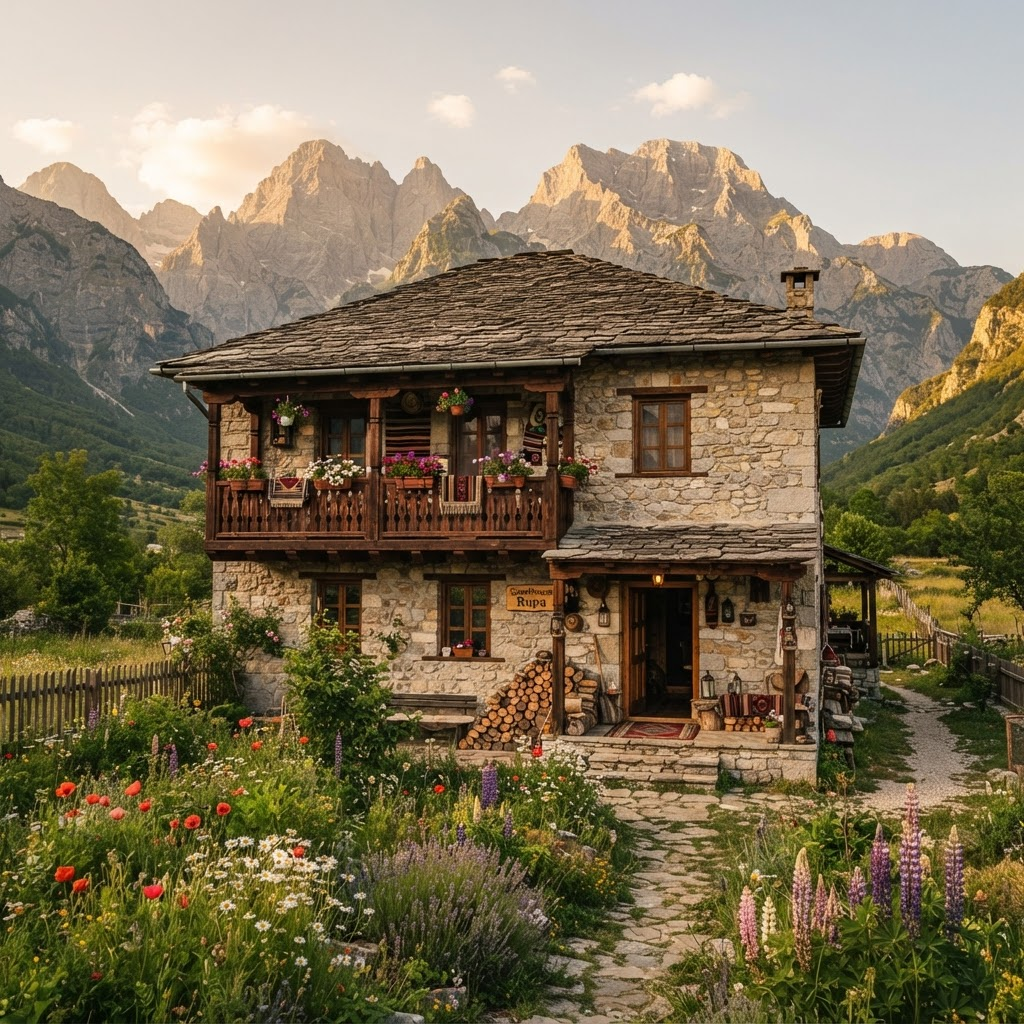
Living history
A compact stone tower associated with the historic practice of blood-feud refuge. Visitors should approach its story through local interpretation rather than treating it as folklore alone.
Open guide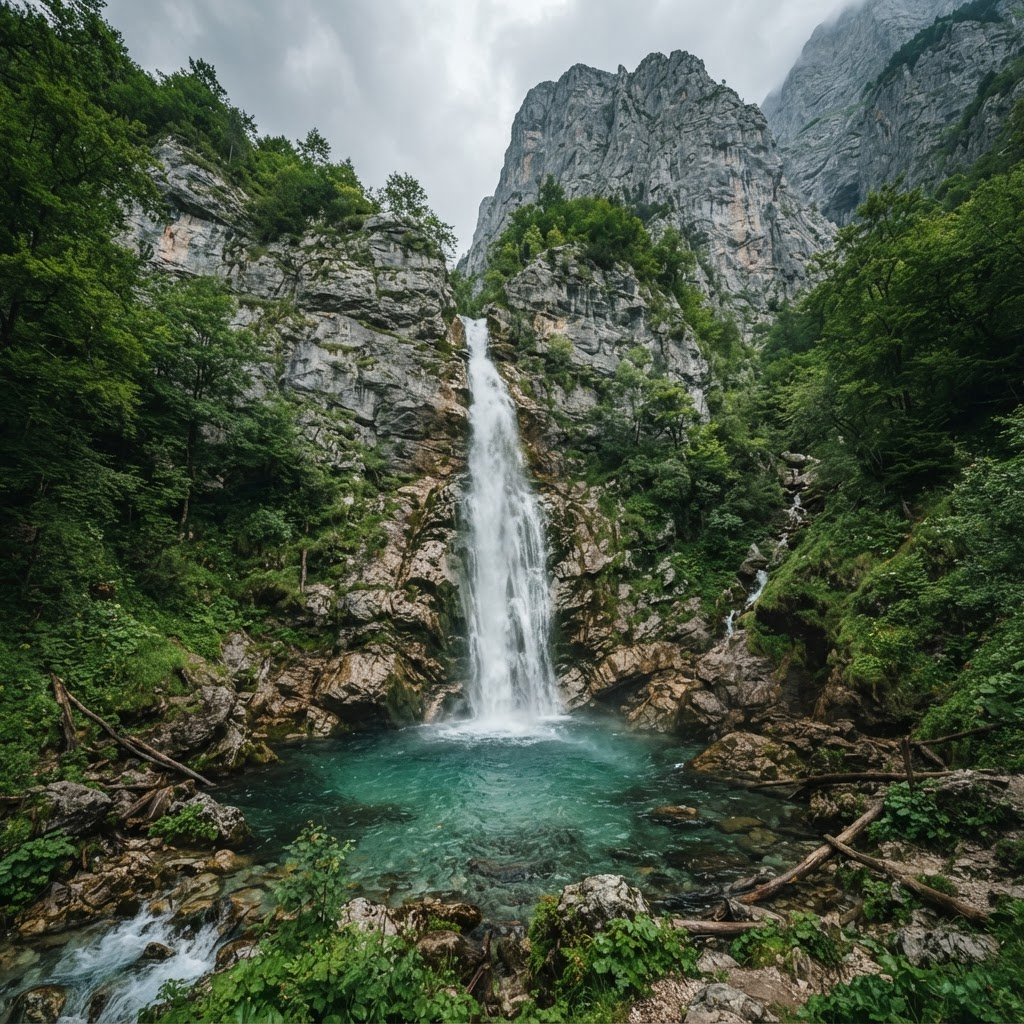
Half-day walk
A powerful waterfall reached on foot from the village, with the nearby canyon revealing the force that shaped this rocky valley. Paths can be slippery after rain.
Open guide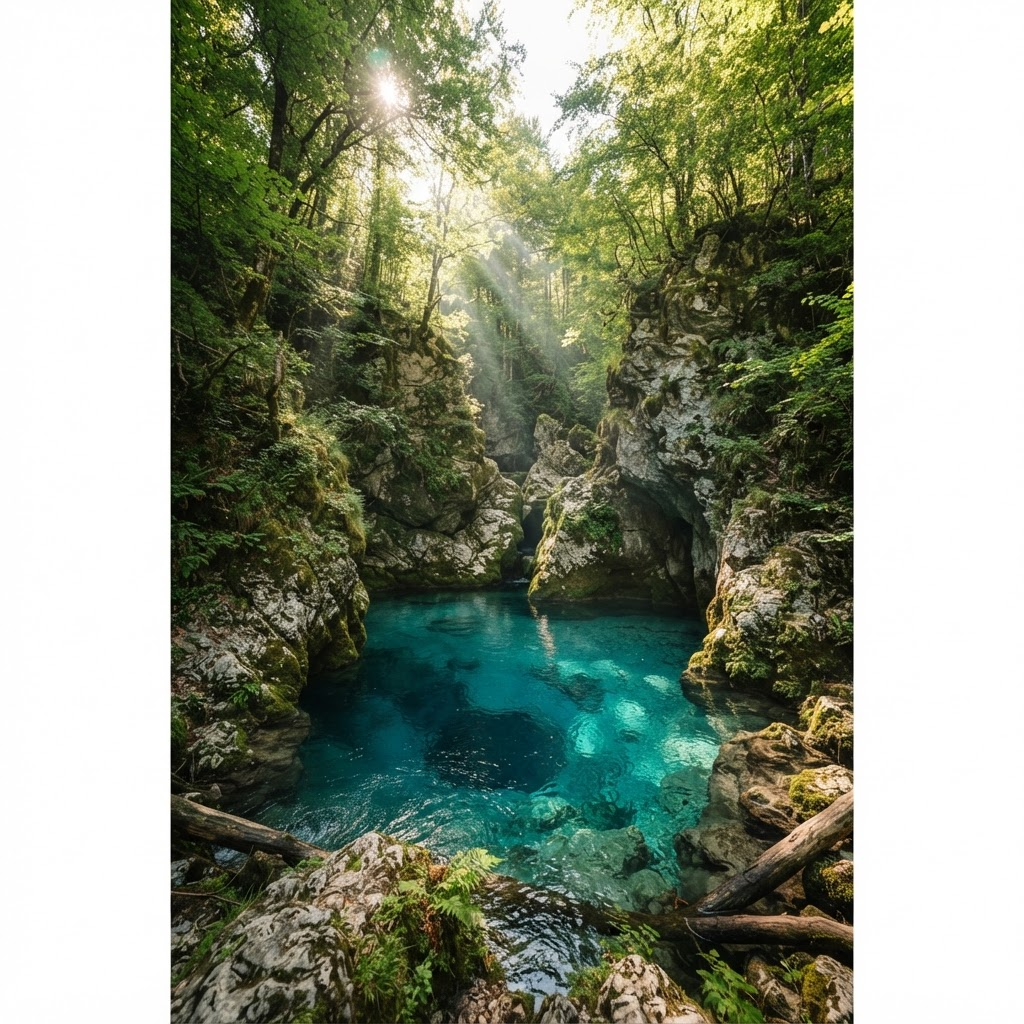
Full or half day
A cold spring pool below a forested cascade near Nderlysa. It can be walked from Theth or approached by road for a shorter hike; summer afternoons are busiest.
Open guide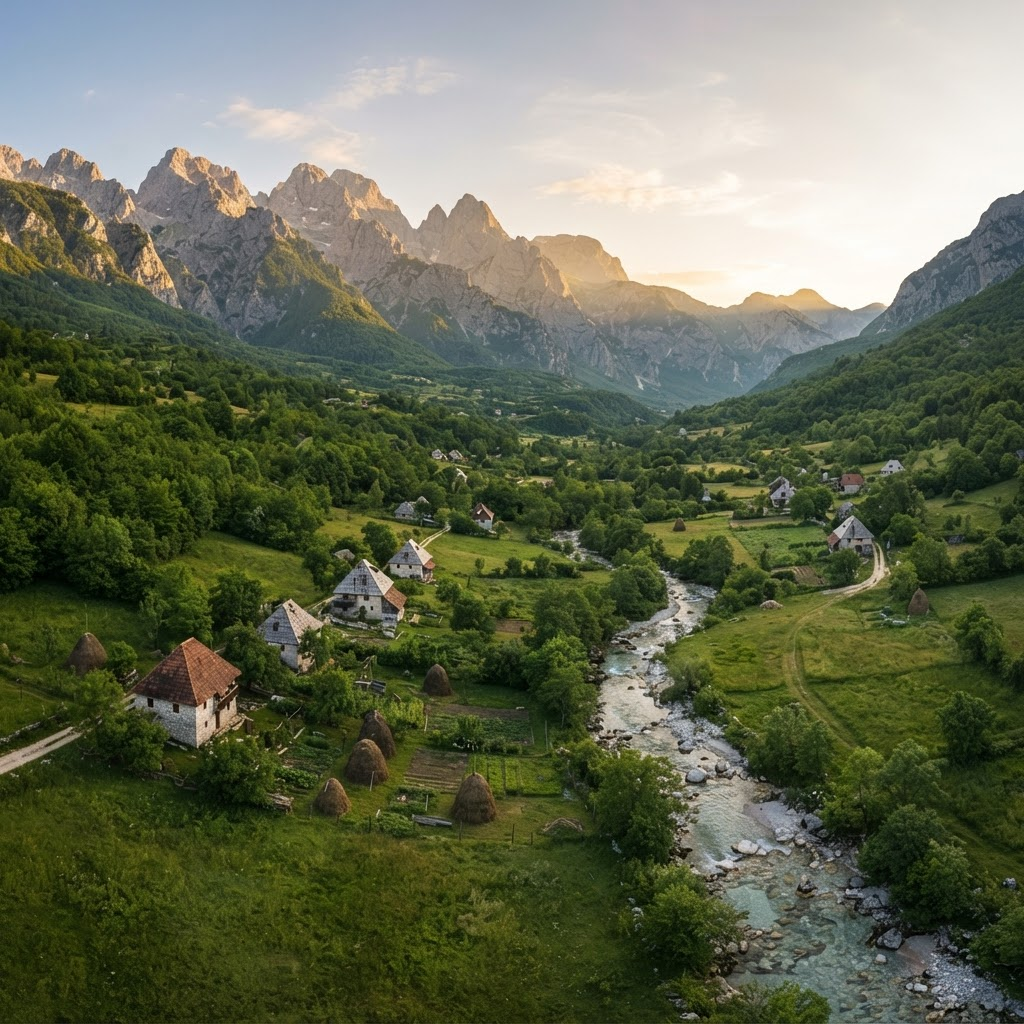
Nature stop
Cold water emerges at the upper end of the valley beneath the surrounding peaks. The area suits a quiet walk, but water conditions and access remain seasonal.
Experienced visitors
Arapi dominates the northern valley. Its mountain routes and caves—including Arapi Cave and the locally known “Round Holes”—require current access advice, specialist equipment or a qualified guide.
Open guideA tandem, side-by-side zipline crosses the Theth landscape above forest, canyon terrain and the river. The operator normally provides the safety briefing, equipment and return transport to the village. Published prices vary by seller and season—often around €25–€45 per person—so the current price, operating hours, weather policy and participant limits should be confirmed directly before arrival.
Local operators offer quad-bike rentals and guided outings on mountain tracks and selected river crossings. Guided trips are the more appropriate choice for unfamiliar terrain. Riders should use the supplied helmet and protective equipment, attend the full briefing, verify licence and age requirements, and avoid hiking paths or protected areas where motor access is restricted.
Marked valley walks lead toward major passes and multi-day routes. Technical summits and exposed variants should be attempted only with suitable experience and conditions.
Road and forest-track riding is possible, though steep gradients, loose stone and mixed traffic make local route advice important.
The limestone landscape contains notable caves. These are not casual attractions: entry should be arranged with trained local or specialist guidance.
Snow can support ski touring and other winter travel, but services are limited and avalanche conditions require professional planning.
Beech woods and high slopes support rich flora and fauna. Golden eagles may be seen; Balkan lynx are exceptionally rare and should never be expected.
Marble trout inhabit regional waters, but fishing is regulated. Visitors must check permits, protected zones and seasonal restrictions before casting.
Family guesthouses continue the valley’s hospitality traditions, often pairing stone architecture with shared meals and practical trail knowledge.
Common specialties include slow-roasted meat known as fërlik, local dairy products and trout where legally sourced. Dietary needs should be shared before arrival.
Visitors should remain on durable paths, carry waste out, ask before photographing residents and avoid disturbing livestock, plants or wildlife.
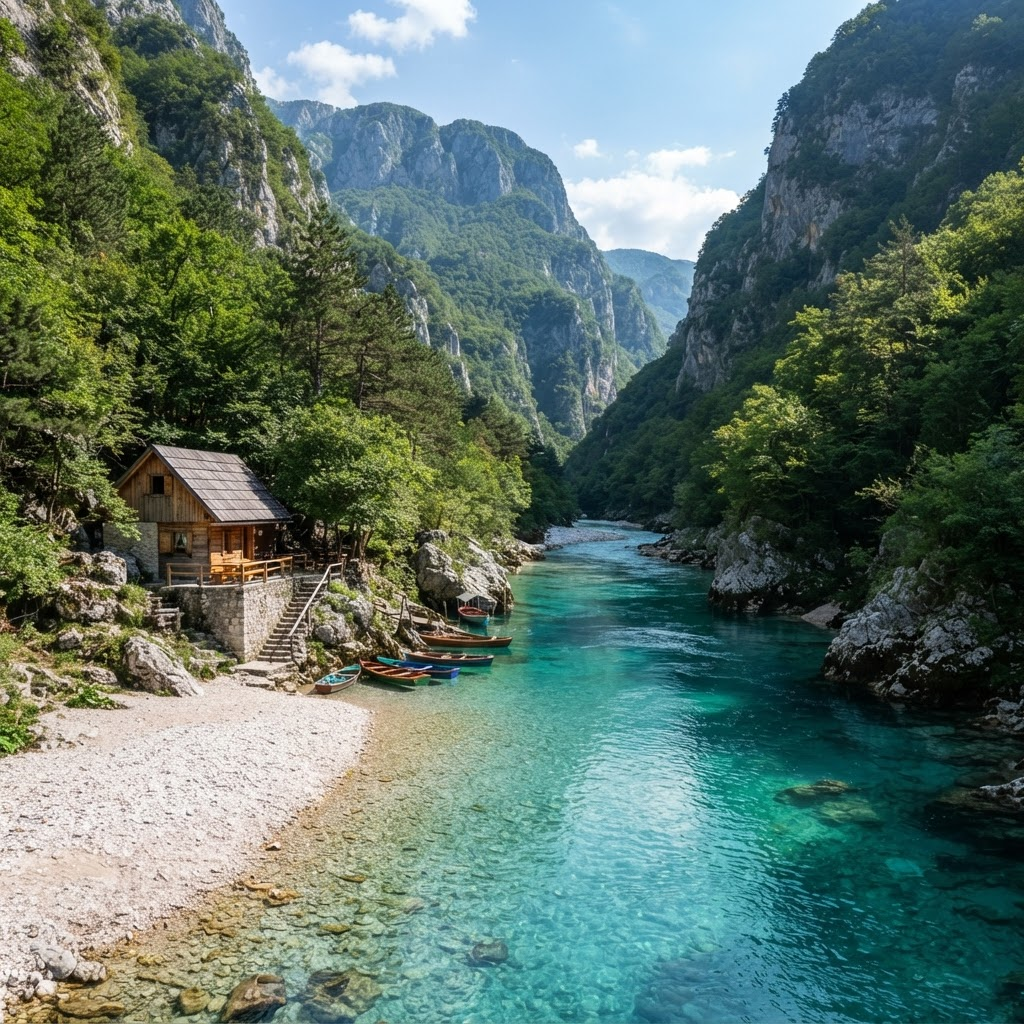
With more time, travellers can continue toward the Shala River and Komani landscape for a contrasting journey through steep gorges and clear water.
Open guide